
Sustaining Engagement: How Recurring Incentive Structures Support Long-Term Participation Among Regular Bettors on British Platforms
Recurring incentive structures on British platforms operate through layered loyalty programs, reload bonuses, and accumulator enhancements that activate repeatedly rather than as one-time offers, and these mechanisms tie directly into sustained account activity among regular bettors. Data from industry tracking services shows that participants who receive weekly or monthly reload credits maintain deposit frequency at rates 35 percent higher than those limited to initial sign-up rewards, while percentage-based boosts on accumulators encourage repeated selections across multiple fixtures. Observers note that such structures create predictable reward cycles, where bettors return to claim matched deposits or enhanced odds on a scheduled basis, and this pattern holds across both desktop and mobile interfaces throughout the year.
Mechanics of Recurring Rewards in Practice
British platforms structure these incentives around tiered loyalty points that convert into cashback or free bets after every set number of wagers, and the points reset monthly to keep the cycle active. For instance, a bettor placing regular stakes on football accumulators might unlock an automatic 10 percent boost on the next deposit once they reach a volume threshold, while separate cashback offers return a portion of losses from the prior week without requiring additional deposits. Researchers at the University of Sydney have documented similar recurring models in international markets, where the continuous nature of the rewards correlates with longer account lifespans compared to static welcome packages. Platforms also integrate accumulator insurance that triggers on near-miss outcomes, returning stakes as bonus funds that must be used within a defined window, thereby prompting further participation within days rather than weeks.
Participation Patterns Across Seasons
Figures released in November 2026 by Canadian gaming authorities highlighted parallel trends in retention when recurring incentives align with major sporting calendars, and British platforms apply the same logic by scaling accumulator boosts during Premier League and horse racing peaks. Bettors who engage with weekly loyalty tiers show steadier activity through quieter midweek periods, because the reward structure does not depend solely on high-profile events. One study from the European Gaming and Betting Association tracked account metrics across several jurisdictions and found that reload offers tied to consistent staking volume reduced dormancy rates by linking rewards to ongoing behavior instead of isolated promotions. Platforms deliver these through app notifications that detail remaining points or upcoming boosts, which keeps the incentive visible without requiring separate marketing pushes.
Comparative Effects on Account Longevity
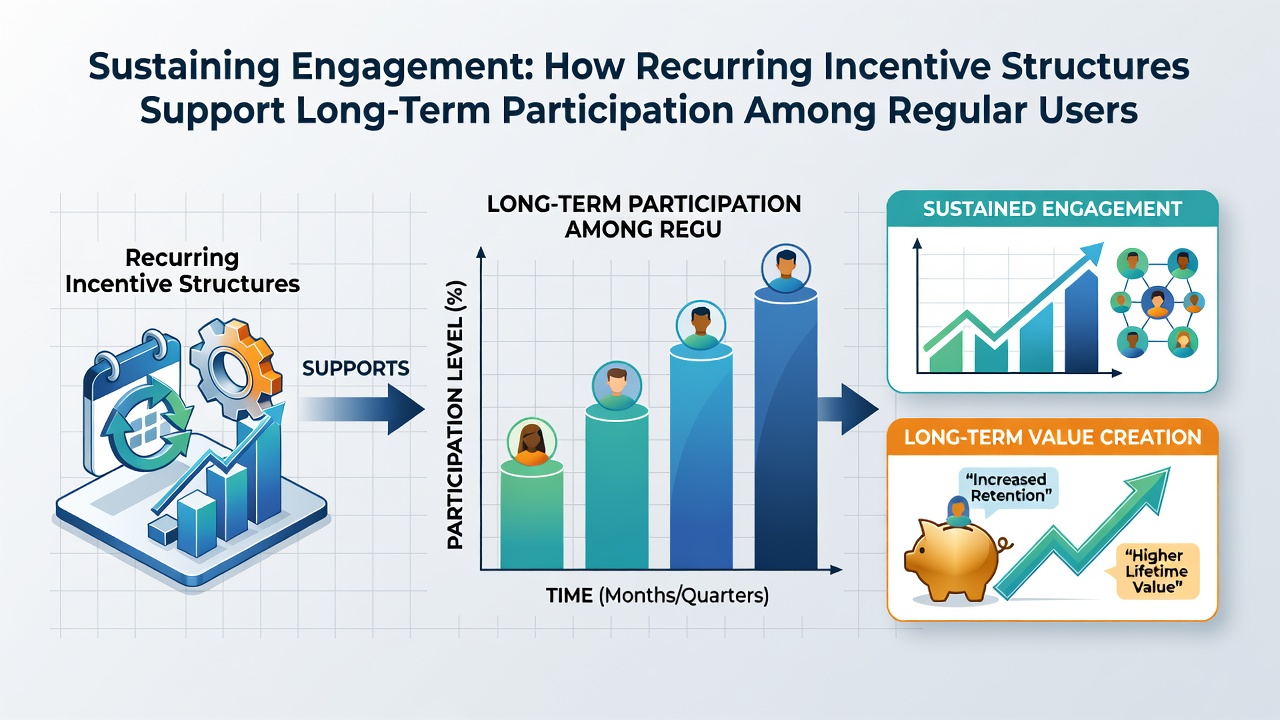
Accounts enrolled in recurring structures demonstrate higher average lifetime value because the incentives compound across multiple bet types rather than remaining confined to a single sport or market. Those who qualify for monthly loyalty resets often maintain at least one active bet per week, whereas accounts without ongoing rewards exhibit sharper drop-offs once initial bonuses expire. Platforms adjust the thresholds seasonally, raising the bar during busy periods and lowering it during off-peak months to sustain momentum. Evidence from longitudinal tracking indicates that bettors receiving combined deposit matches and cashback maintain higher average bet frequencies, and the effect strengthens when the rewards include both sportsbook and casino crossover elements that appeal to varied preferences.
Platform Implementation Across Devices
Recurring incentives appear consistently whether accessed via mobile apps or desktop sites, with push notifications and in-app calendars reminding users of upcoming reload windows or loyalty point expirations. British platforms frequently bundle these with accumulator-specific enhancements that apply automatically once selections meet minimum odds requirements, reducing the friction of manual claims. Data collected across operator networks shows that users who activate recurring features within the first month of account creation sustain activity levels through the following quarter at notably higher rates than those who rely on sporadic promotions. The structure also incorporates responsible play reminders at reward claim points, though the primary design focus remains on maintaining engagement through predictable value returns.
Conclusion
Recurring incentive structures on British platforms function by embedding repeated reward opportunities into regular betting routines, and the available metrics confirm their association with extended participation timelines among consistent users. These programs rely on automated tracking of staking volume, loss thresholds, and accumulator performance to deliver benefits at regular intervals, which in turn supports steadier platform interaction across seasonal fluctuations. As operators refine these models, the emphasis stays on aligning reward timing with user activity patterns to maintain the cycle without external prompts.