
Premier League Clubs Face Potential Revenue Adjustments from Proposed Unlicensed Gambling Sponsorship Rules
Ten out of the Premier League’s twenty clubs currently maintain sponsorship or advertising ties with gambling operators that lack UK licenses, a figure that rose from six clubs earlier in the summer according to industry tracking data. This development places those revenue streams under consideration for restrictions tied to an anticipated government prohibition scheduled for the following year. The eight-week consultation period examining a ban on such sponsorships from unlicensed entities wrapped up during the current week, highlighting friction between licensed betting firms such as Ladbrokes and William Hill on one side and the Premier League on the other, where officials have advocated against the measure.
The consultation process gathered input on prohibiting partnerships that involve operators outside the UK regulatory framework, while the broader context includes expansion in Britain’s unregulated betting sector. Clubs with these arrangements now stand to review existing contracts once the proposed rules advance, since revenue from shirt sponsorships, stadium advertising, and related promotions forms a measurable portion of annual income for several teams.
Details on the Increase in Unlicensed Partnerships
Observers tracking club commercial deals note that the jump from six to ten clubs occurred across a relatively short window during the off-season transfer and sponsorship cycle. Each arrangement typically covers visible placements including kit logos, pitch-side boards, and digital promotions, generating fees that clubs allocate toward player acquisitions and operational costs. Licensed operators have pointed out that these unlicensed deals operate without the consumer protections and tax contributions required under UK rules, creating an uneven competitive environment within the sponsorship market.
Government Consultation Process and Timeline
The eight-week review period allowed stakeholders to submit evidence on the effects of restricting unlicensed gambling sponsorships, with responses now under evaluation ahead of potential legislation. Government sources indicate the ban could take effect in 2027, giving clubs and their partners a transition window to renegotiate or terminate agreements. Premier League representatives submitted formal opposition during the consultation, arguing that the restrictions would reduce overall commercial flexibility without addressing the root growth in unregulated betting activity.
Figures from the period show that unlicensed operators have increased their presence through targeted deals with mid-table and lower-table clubs seeking alternative revenue after traditional partners adjusted their own strategies. And while licensed companies continue to hold major contracts with several top sides, the spread of unlicensed arrangements has diversified the landscape across the league table.
Impact on Club Finances and Market Dynamics
Revenue exposure varies by club, yet analysts estimate that gambling-related sponsorships can account for between five and fifteen percent of total commercial income depending on the team’s profile and deal structure. A prohibition would require clubs to identify replacement partners in sectors such as technology, finance, or consumer goods, a process that historically takes multiple transfer windows to complete at comparable fee levels. The Premier League’s lobbying efforts during the consultation emphasized these transition costs and the potential for reduced overall sponsorship values across the division.
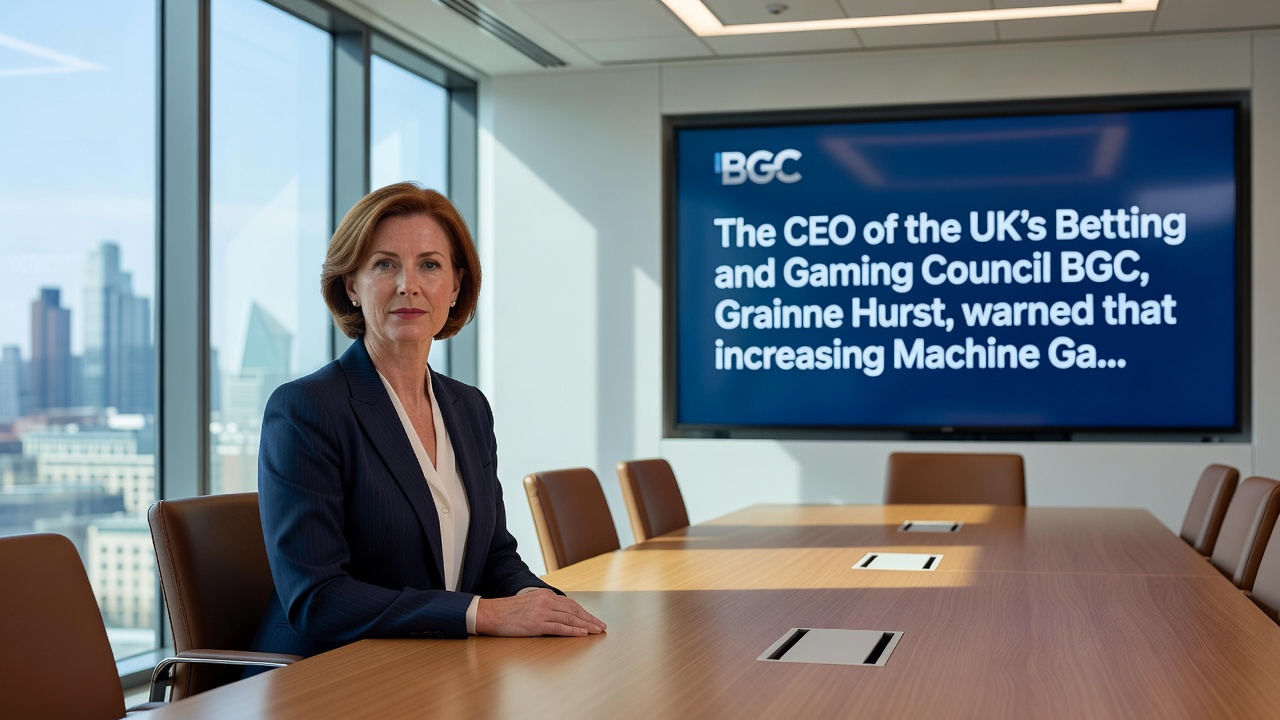
Meanwhile, growth in Britain’s unregulated betting market has provided additional context for the policy discussion. Reports indicate that offshore platforms continue to attract users through higher margins and fewer restrictions, prompting licensed operators to highlight the need for consistent enforcement rather than sponsorship limits alone. Data presented during the consultation period showed that unlicensed activity has expanded at a faster rate than regulated channels over the past two seasons, affecting both tax receipts and responsible gambling oversight mechanisms.
Positions of Key Stakeholders
Licensed operators including Ladbrokes and William Hill submitted statements underscoring their compliance investments and warning that unlicensed competitors gain an advantage when they avoid similar obligations. The Premier League countered that any ban should apply uniformly across all sports and entertainment sectors to avoid singling out football, and that existing self-regulatory codes already limit certain types of gambling advertising. Both sides referenced the same underlying trend of unregulated market expansion, yet reached differing conclusions on whether sponsorship rules represent the most direct response.
Club executives have begun internal reviews of their commercial portfolios in anticipation of the policy outcome, with some exploring multi-year deals in non-gambling categories to hedge against future limitations. Those clubs currently partnered with unlicensed operators face the most immediate planning requirements, since contract clauses often include provisions for regulatory changes that could trigger early termination or fee adjustments.
Broader Context of Regulatory Developments
The consultation closure occurs alongside ongoing government efforts to strengthen oversight of online gambling, including enhanced age verification and spending limit tools. Unlicensed operators remain outside these frameworks, which has contributed to the measured increase in their marketing activities within domestic sports properties. Industry data compiled through the summer months documented the specific rise from six to ten clubs, confirming the acceleration of this trend during a period of active transfer and commercial negotiations.
Policy analysts expect the consultation responses to influence the final shape of any legislation, particularly around definitions of what constitutes an unlicensed operator and the timeline for implementation. Clubs and betting firms alike continue to monitor updates from the Department for Culture, Media and Sport as the evaluation phase proceeds.
Conclusion
The current situation leaves ten Premier League clubs with direct exposure to a potential policy shift on unlicensed gambling sponsorships, following the recent close of the government consultation and amid documented growth in unregulated betting activity. Licensed operators and league officials have presented contrasting views during the review process, while clubs begin assessing options for revenue continuity under different regulatory conditions expected next year.