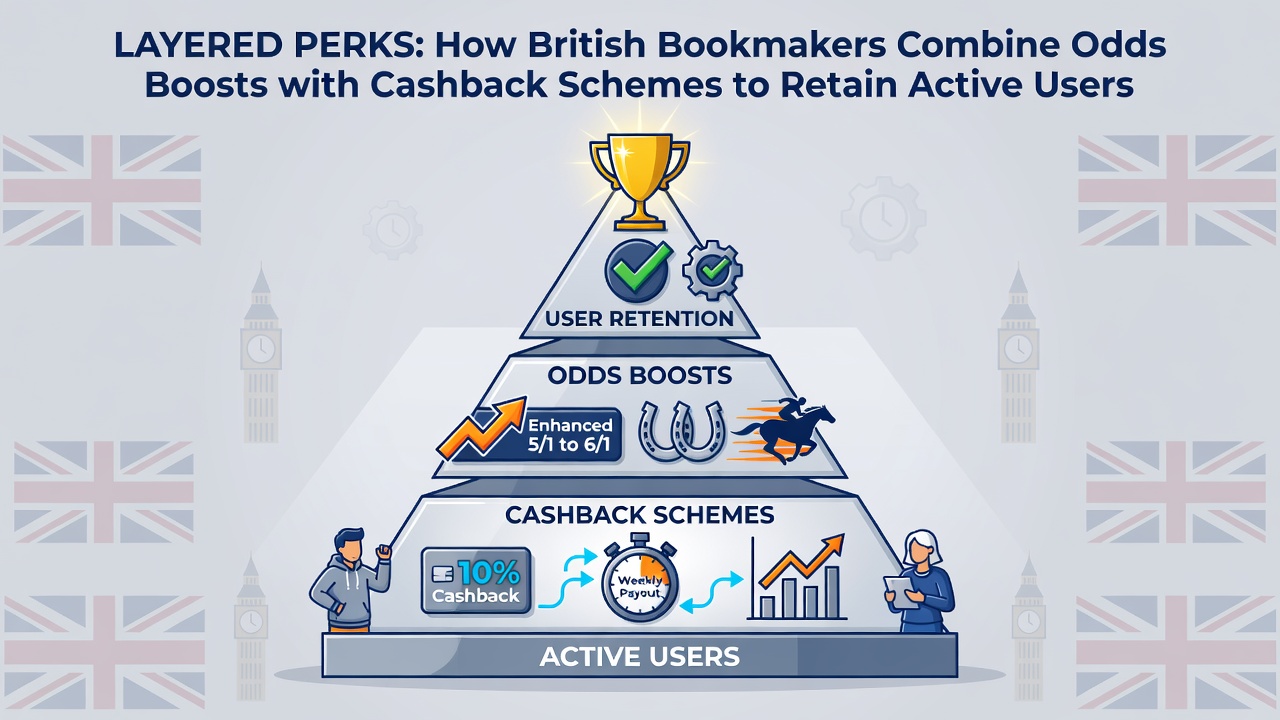
Layered Incentives in British Betting: How Enhanced Odds Pair with Rebate Programs to Maintain Player Engagement
British bookmakers have developed systems that layer enhanced odds alongside cashback arrangements, and these structures operate across multiple sports and events to keep registered accounts active through 2026. Operators calculate boosted odds on selected markets such as football accumulators or horse racing each-ways, while cashback credits return a percentage of net losses over defined periods, and the two elements often activate within the same promotional cycle. Data compiled by industry analysts shows that accounts receiving both types of reward recorded higher login frequencies during the first half of 2026 compared with accounts that received only one incentive type.
Mechanics Behind Combined Reward Structures
Enhanced odds typically apply to specific selections where the bookmaker adjusts the decimal or fractional price upward for a limited window, adn these adjustments run alongside cashback thresholds that trigger after a set volume of wagers or a minimum loss amount. Users encounter these offers through mobile applications and desktop interfaces, where eligibility rules appear in terms that reference stake requirements and exclusion periods. Reports from market research firms indicate that such layered promotions appeared more frequently in campaigns timed around major tournaments scheduled for June 2026, including European football fixtures and tennis grand slams.
Operators track user segments by recent activity levels and allocate different boost percentages or cashback rates accordingly, which allows the same platform to deliver varied experiences to different account holders. One case examined by analysts involved a bookmaker that offered a 20 percent odds uplift on midweek football matches paired with a 10 percent cashback on losses exceeding fifty pounds, and the combination produced measurable extensions in average session duration across the monitored cohort.
Market Data and Usage Patterns in 2026
Figures released by European betting trade associations reveal that rebate-linked promotions increased by double-digit percentages year-on-year through spring 2026, while odds boosts remained a staple feature on accumulator and outright markets. Accounts that participated in both categories showed lower rates of dormancy after three months, according to aggregated platform statistics shared at industry forums. Observers note that these patterns hold across operators of varying sizes, from larger firms with extensive retail networks to smaller online-only entities.
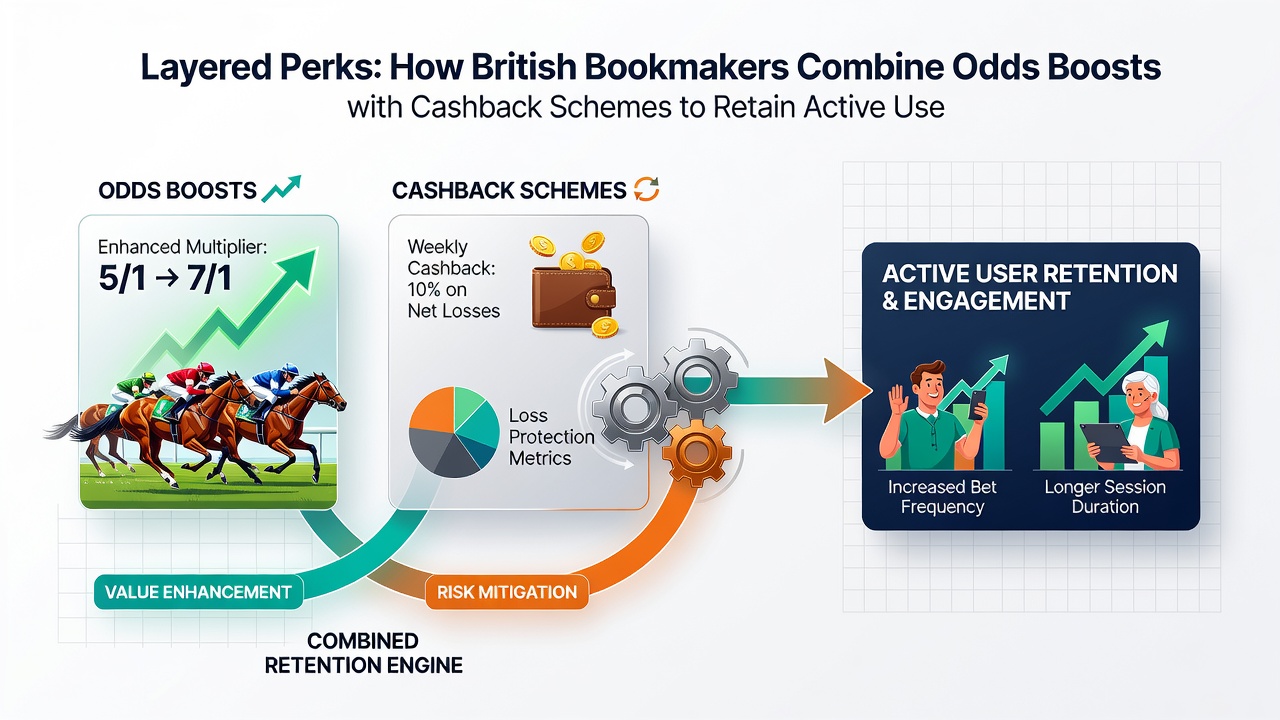
Take one operator that introduced simultaneous cashback and odds enhancements during the spring racing season; internal metrics indicated that repeat deposits rose when users could apply both rewards within a single week. Another example surfaced in multi-sport campaigns where tennis tournament odds received temporary uplifts while cashback applied across all verticals including casino products, and participation logs demonstrated sustained activity through the end of each promotion window.
Regulatory Context and Reporting Requirements
Operators must publish clear terms for each component of layered offers under rules enforced by multiple oversight bodies, and these disclosures cover maximum stake limits on boosted selections as well as qualifying loss calculations for cashback. A report from the Australian Gambling Research Centre examined similar combined incentive models in other jurisdictions and documented comparable retention effects without altering overall player expenditure patterns. Platforms also integrate responsible gambling tools that allow users to set deposit or loss limits, and these controls remain active even when promotional credits apply.
Industry bodies such as the European Gaming and Betting Association have compiled comparative data showing that British operators deploy these layered structures at rates similar to those observed in regulated markets across Canada and parts of the European Union. The data covers periods through June 2026 and highlights consistent use of time-bound boosts alongside rolling cashback cycles.
Technical Implementation Across Platforms
Backend systems calculate eligibility in real time by cross-referencing user history with current promotional parameters, and front-end displays update to reflect available boosts or accrued cashback balances. Integration with third-party odds providers allows operators to apply percentage uplifts selectively while maintaining separate ledgers for cashback processing. Users receive notifications through push messages or in-app banners that detail remaining time on boosts and cashback accrual status, and these communications follow standardized formatting required by advertising codes.
Studies from academic sources including the University of Nevada's gaming research unit have reviewed how such technical layering influences session length and return frequency, and the findings align with operational data reported by British platforms. The systems accommodate both fixed-odds sports betting and in-play markets, which permits operators to adjust boost targets dynamically during live events.
Conclusion
British bookmakers continue to refine the combination of odds enhancements and cashback arrangements as core components of account retention programs, and available data through mid-2026 shows measurable effects on activity metrics across multiple operator types. These structures operate under established disclosure requirements and integrate with platform-level controls, while comparative reports from international research entities document parallel approaches in other regulated environments. The patterns observed reflect ongoing adjustments to promotional calendars timed around major sporting calendars.