Beyond the Welcome Package: Sustained Perks Driving Ongoing Activity in Betting Ecosystems
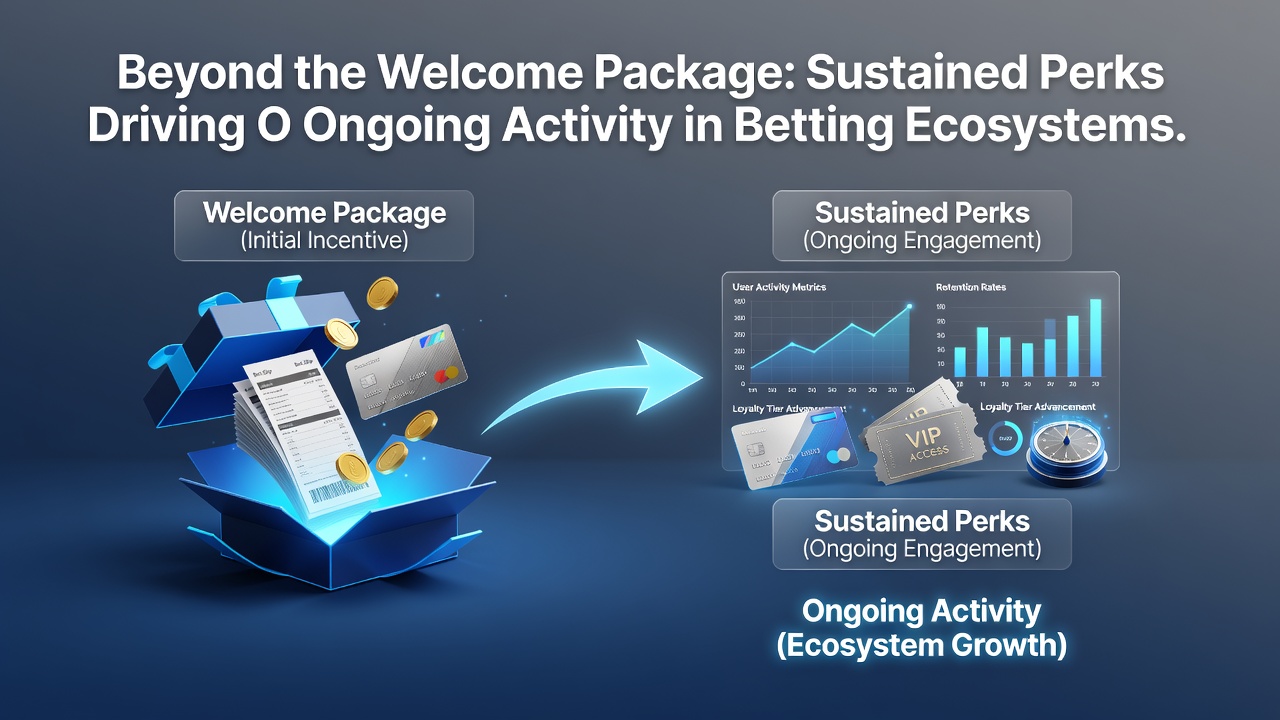
Operators across betting ecosystems have shifted focus from one-time sign-up incentives toward structured loyalty frameworks that maintain user engagement over months and years, and data from regulatory filings shows these sustained mechanisms now account for a growing share of total promotional spend in markets like Canada and Australia. Observers note that platforms deploy tiered reward systems where accumulated activity unlocks higher cashback percentages, exclusive event access, and accelerated withdrawal processing, while reload offers appear on a recurring schedule tied to deposit patterns rather than initial registration.
Loyalty Tiers and Recurring Incentives
Research from the Alcohol and Gaming Commission of Ontario indicates that operators in that province reported increased retention rates among users enrolled in multi-level loyalty programs during the first half of 2026, with participants receiving weekly free bet credits scaled to their prior wagering volume. These programs often reset or advance every calendar month, creating predictable cycles of activity that differ from the front-loaded structure of welcome packages. Platforms track metrics such as login frequency and bet diversity to determine eligibility for personalized multipliers on accumulator selections, and industry reports reveal that users who reach mid-tier status generate repeat deposits at rates measurably higher than non-enrolled accounts.
What's notable is the integration of non-monetary benefits alongside financial rewards, including early access to new market releases and dedicated account management for higher tiers. Operators in several jurisdictions have introduced milestone bonuses that activate after consecutive weeks of activity, rewarding consistent participation rather than isolated large wagers, and these mechanics appear in both sports and casino verticals without requiring additional deposits beyond standard play.
Regional Patterns in Ongoing Perk Deployment
Figures from the Nevada Gaming Control Board highlight that sportsbooks operating in that state allocated a larger portion of marketing budgets to retention tools than acquisition tools by mid-2026, with cashback structures and loyalty points redemption options contributing to steadier handle volumes during off-peak periods. In Australia, operators licensed under state frameworks have implemented birthday and anniversary credits that trigger automatically, independent of deposit activity, which helps maintain platform visibility among users who might otherwise reduce engagement during quieter sporting calendars. These approaches differ from deposit-match reloads by emphasizing continuity over transaction size, and analysts tracking transaction logs observe that such timed perks correlate with lower churn rates in longitudinal datasets.
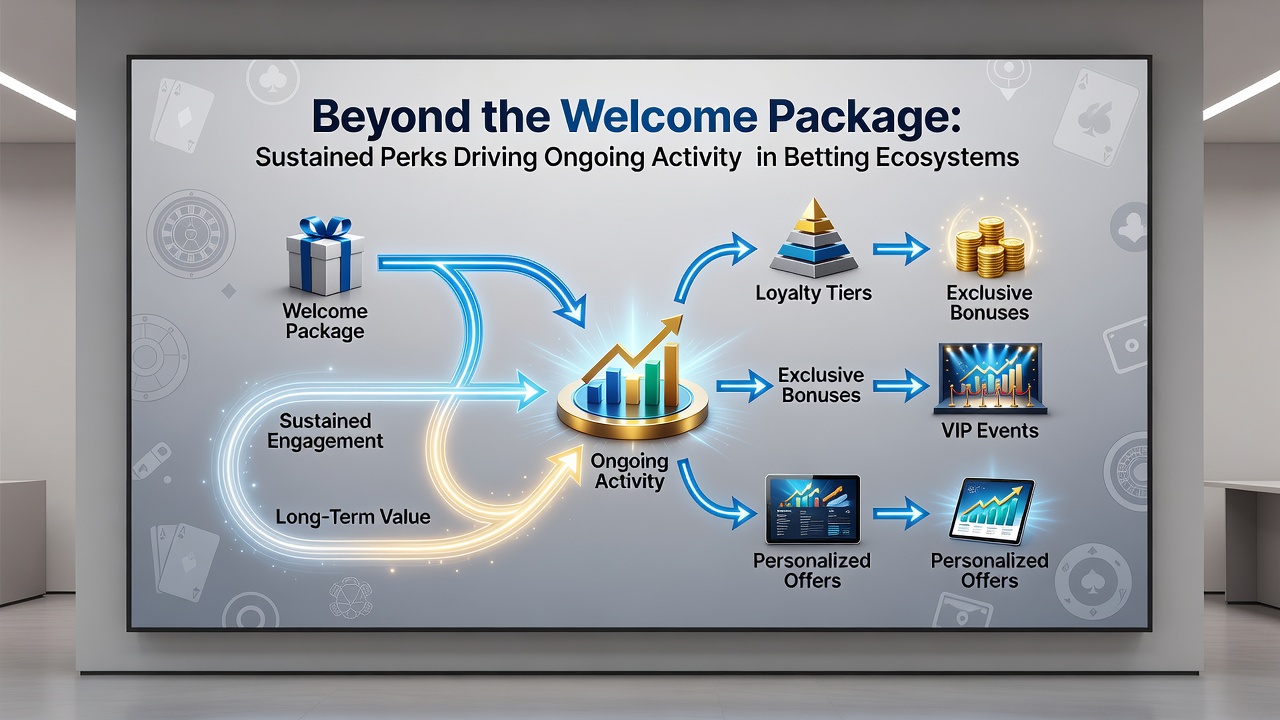
Take one operator group active across multiple European and North American markets that introduced a points-based system where accumulated wagers convert into redeemable credits at the start of each quarter. Data compiled by academic researchers at the University of Nevada, Las Vegas shows that participants in these quarterly cycles exhibited more stable betting patterns compared with users limited to ad-hoc promotions, because the structure encourages incremental activity spread across the calendar rather than concentrated bursts. The same study noted that geographic variations influence which perks gain traction, with North American users responding more to insurance-style guarantees on parlay bets while European cohorts favored free spin allocations tied to table game volume.
Technological Enablers and Personalization
Advanced analytics platforms now allow operators to segment users by lifetime value and behavioral clusters, enabling the delivery of tailored reload windows that align with individual deposit histories. In October 2026 several major platforms rolled out app-based dashboards displaying real-time progress toward the next loyalty milestone, complete with countdown timers and projected reward values. These interfaces reduce the cognitive load of tracking benefits and increase the likelihood that users will complete the activity thresholds required for payout. External audits of user session data confirm that visibility into ongoing progress correlates with higher completion rates for loyalty objectives.
Cross-vertical integration also plays a role, as operators link sportsbook and casino activity within unified accounts so that wagers placed in one product contribute to tier advancement in the other. This unified tracking creates compounding effects where sustained play in secondary verticals accelerates rewards in the primary one, and regulatory disclosures from multiple jurisdictions indicate that such bundled ecosystems now represent a standard feature rather than an exception. Observers tracking October 2026 transaction volumes note measurable upticks in cross-product movement following the introduction of unified loyalty ledgers.
Conclusion
Sustained perks have become central to how betting platforms structure long-term user relationships, shifting emphasis from acquisition spikes to retention curves that unfold across multiple quarters. Evidence from regulatory filings and academic analyses demonstrates that tiered systems, recurring credits, and personalized milestone rewards generate more consistent activity patterns than isolated welcome offers alone. As operators refine these mechanisms with improved data tools, the distinction between one-time incentives and ongoing engagement structures continues to shape platform design decisions worldwide.