Beyond Sign-Up Incentives: How Loyalty Perks Shape International Betting Markets
Operators in markets from North America to the Asia-Pacific region have expanded loyalty structures that reward repeat activity long after initial deposits land in accounts, and these systems now influence spending patterns, platform switching rates, and even regulatory discussions that stretch into August 2026. Data collected across multiple jurisdictions shows that players who remain active past the first thirty days generate between forty and sixty percent of total handle once loyalty tiers activate, according to industry tracking from the ACT Gambling and Racing Commission in Australia.
Take the tiered cashback models rolled out by several Canadian operators last year. Those programs tie weekly returns to cumulative wagers rather than single deposits, and researchers at the University of Toronto documented a measurable drop in account closures among participants who reached the second loyalty level within eight weeks. The same study noted that average session length increased by roughly twelve minutes once players unlocked milestone rewards, suggesting the mechanics alter engagement rhythms rather than simply adding short-term volume.
Retention Patterns Across Regions
European markets outside the United Kingdom present a different picture, where reload bonuses tied to loyalty points have coincided with steadier deposit frequencies throughout 2025 and into the summer of 2026. Observers at the European Gaming and Betting Association tracked activity in Germany and the Netherlands after new loyalty frameworks launched, and they recorded fewer instances of players migrating to offshore sites once cashback and free-play credits became available on a recurring basis. Those findings align with earlier reports from the same organization that linked sustained perks to lower churn across multi-jurisdiction player pools.
In contrast, operators serving Latin American markets have leaned on tournament-style loyalty events that run monthly, and preliminary figures from Brazil indicate higher average bet sizes among participants who collect points toward leaderboard prizes. The structure rewards consistency over large single wagers, which has prompted some platforms to adjust minimum stake requirements to keep casual players inside the system rather than losing them to competitors.
Economic and Behavioral Ripple Effects
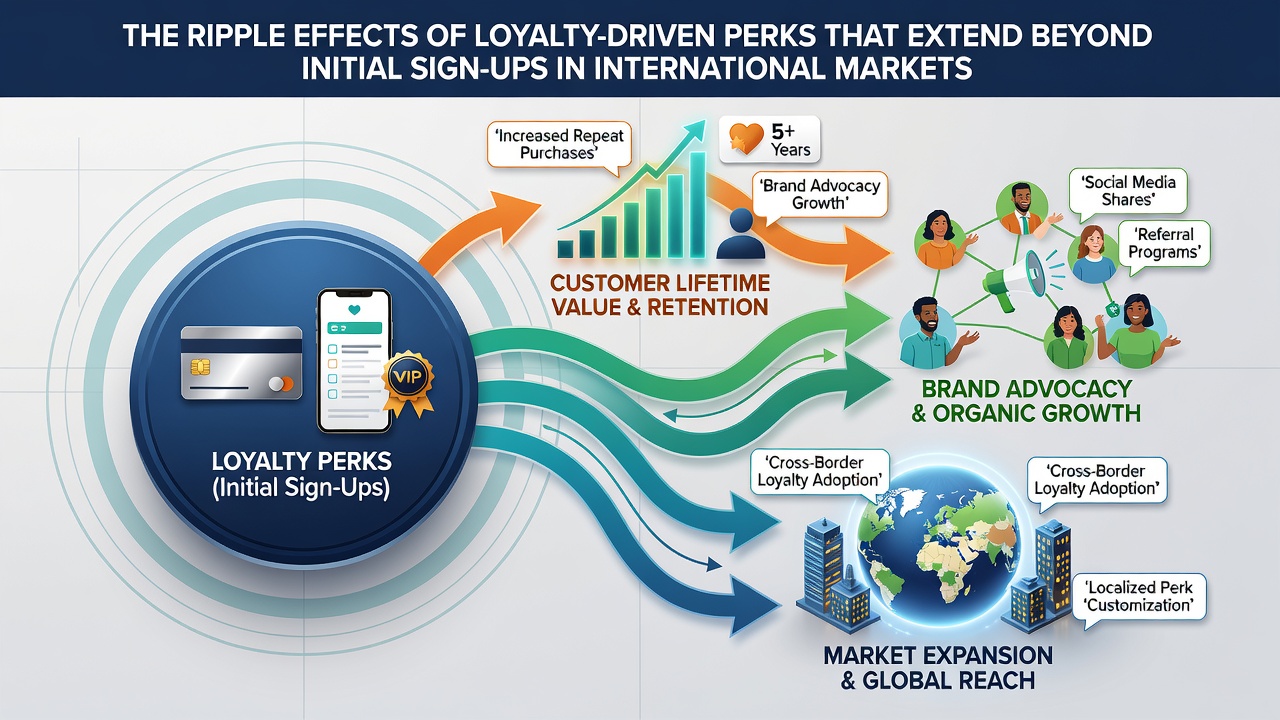
Payment processors have also felt downstream effects. Loyalty credits that convert into withdrawable balances or bonus funds create additional transaction flows that extend well past the welcome period, and several processors reported volume increases of up to eighteen percent in markets where such credits became standard. This pattern holds in both regulated U.S. states and Australian territories where cash-out options for loyalty rewards have been clearly defined.
Player segmentation studies further reveal that loyalty mechanics influence cross-product usage. In markets where operators offer both sports and casino verticals, participants who reach mid-tier status show elevated rates of trying new game categories compared with those who remain outside reward programs. Analysts attribute the shift to the perceived value of points accumulation, which encourages experimentation without additional deposit pressure.
Regulatory and Market Responses
Regulators in multiple regions have begun examining how loyalty structures interact with responsible gambling tools. The Alcohol and Gaming Commission of Ontario released updated guidance in early 2026 that requires clearer disclosure of point expiration and redemption values, while similar reviews continue in several Australian states. These measures aim to ensure players understand the long-term mechanics rather than treating rewards as isolated promotions.
Market share data collected through mid-2026 indicates that platforms maintaining consistent loyalty frameworks have retained larger portions of active accounts during periods of increased competition from new entrants. The trend appears most pronounced in jurisdictions that permit both online and retail betting, where seamless transfer of loyalty status between channels has reduced fragmentation.
Conclusion
International operators continue to refine loyalty mechanics as player data accumulates, and the patterns observed through August 2026 point toward sustained influence on retention, transaction volume, and regulatory oversight. Markets that balance reward frequency with transparent rules show steadier engagement metrics, while those still testing structures face ongoing adjustments as competition and oversight evolve in tandem.